
Multi-Gig Internet
Frequently Asked Questions
When it comes to internet there are a lot of options and one of those include Multi-Gig Internet. Here are some of the most frequently asked questions that customers ask.
Check
Address
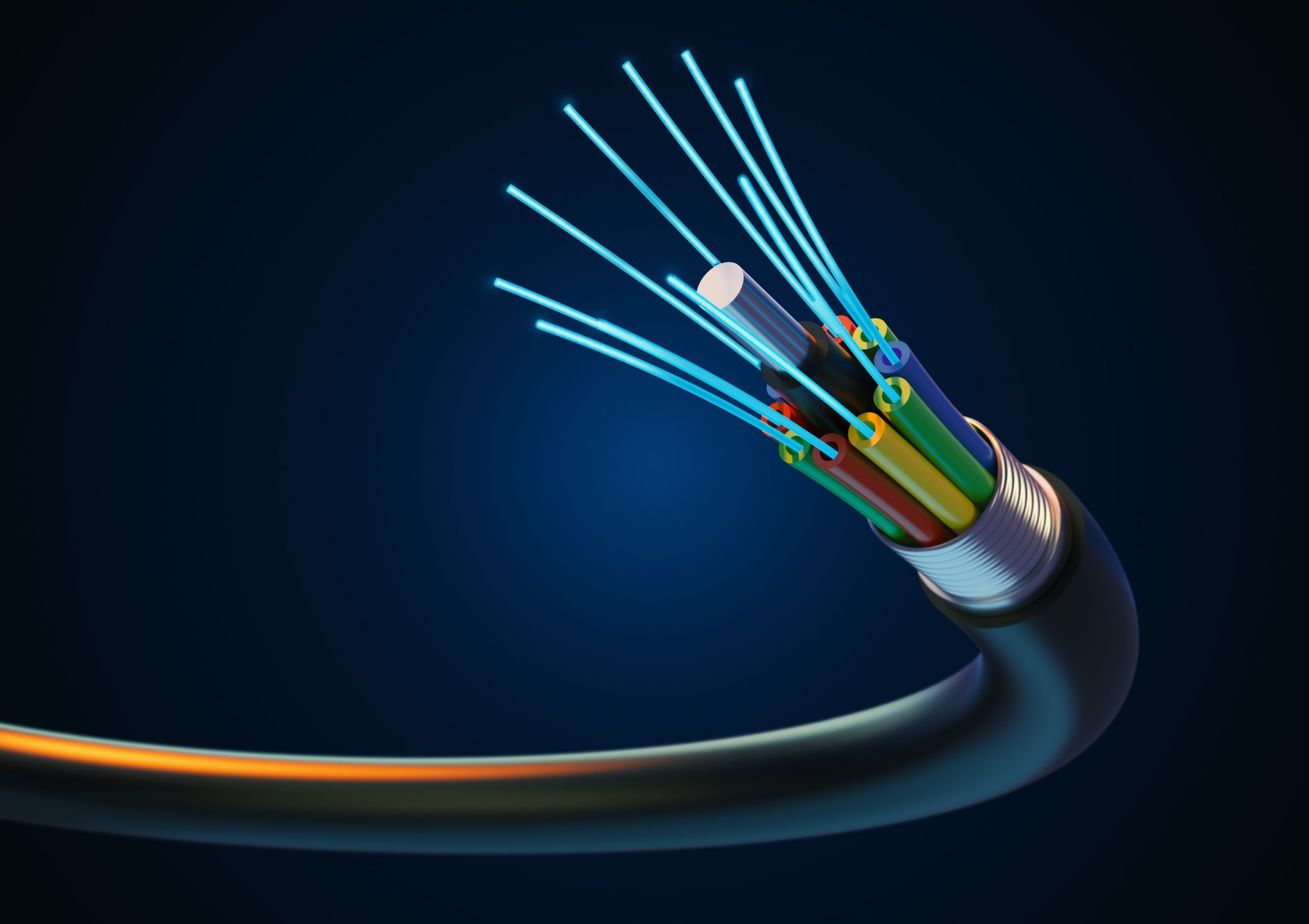
WHAT IS MULTI-GIG INTERNET SERVICE?
Multi-Gig service refers to internet speeds that exceed 1Gbps (1,000 Mbps). These higher tiers are designed to deliver ultra-fast connectivity for homes and businesses that demand more bandwidth, speed, and performance than standard Gigabit plans can offer.
Check
Address
DO I NEED A MULTI-GIG FIBER INTERNET CONNECTION?
You may benefit from Multi-Gig service if you:
- Regularly download or upload large files (e.g., 4K/8K video, software updates, games).
- Stream ultra-high-definition content across multiple devices. • Operate a smart home with many connected devices.
- Work from home with high bandwidth needs (cloud storage, video conferencing).
- Share your network with multiple high-usage users.
- Have more than one person working or learning from home using platforms like Zoom, Microsoft Teams, or Webex simultaneously.
If you have a high-tech household or run a small business, standard non-fiber internet speeds can struggle to keep up when multiple users are streaming content or participating in video calls at the same time. This type of in-home congestion is especially common during peak usage times like work or school hours, when multiple devices compete for limited bandwidth. This can result in frozen screens, dropped connections, or reduced internet perfor- mance on video calls. With Multi-Gig service, there’s enough bandwidth to support multiple video conferences and high-definition streaming simultaneously, giving everyone a faster, smoother, and frustration-free experience.

Check
Address

WILL MY DEVICES AUTOMATICALLY RECEIVE MULTI-GIG SPEEDS?
Not necessarily. While Multi-Gig service provides higher capacity, each device must meet certain technical requirements to take full advantage of the speeds. This includes:
- A wired connection using Cat6a Ethernet cables or higher.
- A router and network adapter capable of 2.5Gbps, 5Gbps, or 10Gbps speeds.
- A high-performance device with modern hardware (CPU, RAM, NVMe SSD).
Not all home-connected devices are capable of multi-gig speeds, especially when connected over Wi-Fi. Devices like smartphones, laptops, tablets, and smart TVs often have hardware or wireless limitations that prevent them from using the full speed of a Multi-Gig plan. However, they can still benefit from the increased total bandwidth, which helps reduce slowdowns and keeps everything running more smoothly when multiple devices are connected at once.
Check
Address
IS MULTI-GIG INTERNET FASTER THAN WI-FI?
Wi-Fi is not optimized for full Multi-Gig performance. Even with the latest Wi-Fi 6/6E/7 technology, most wireless devices will experience speeds closer to 600–900 Mbps in ideal conditions.
However, Multi-Gig service enhances your Wi-Fi experience by providing more total bandwidth for multiple devices to operate efficiently at once, especially in smart homes or offices with many connected devices.With Beehive Broadband’s fiber, HFC and DSL internet, there are no data caps. You will never be charged for overages and you won’t be arbitrarily slowed down. You’ll never be restricted in how or when you can use your internet connection, giving you the freedom to do what you want online.

Check
Address
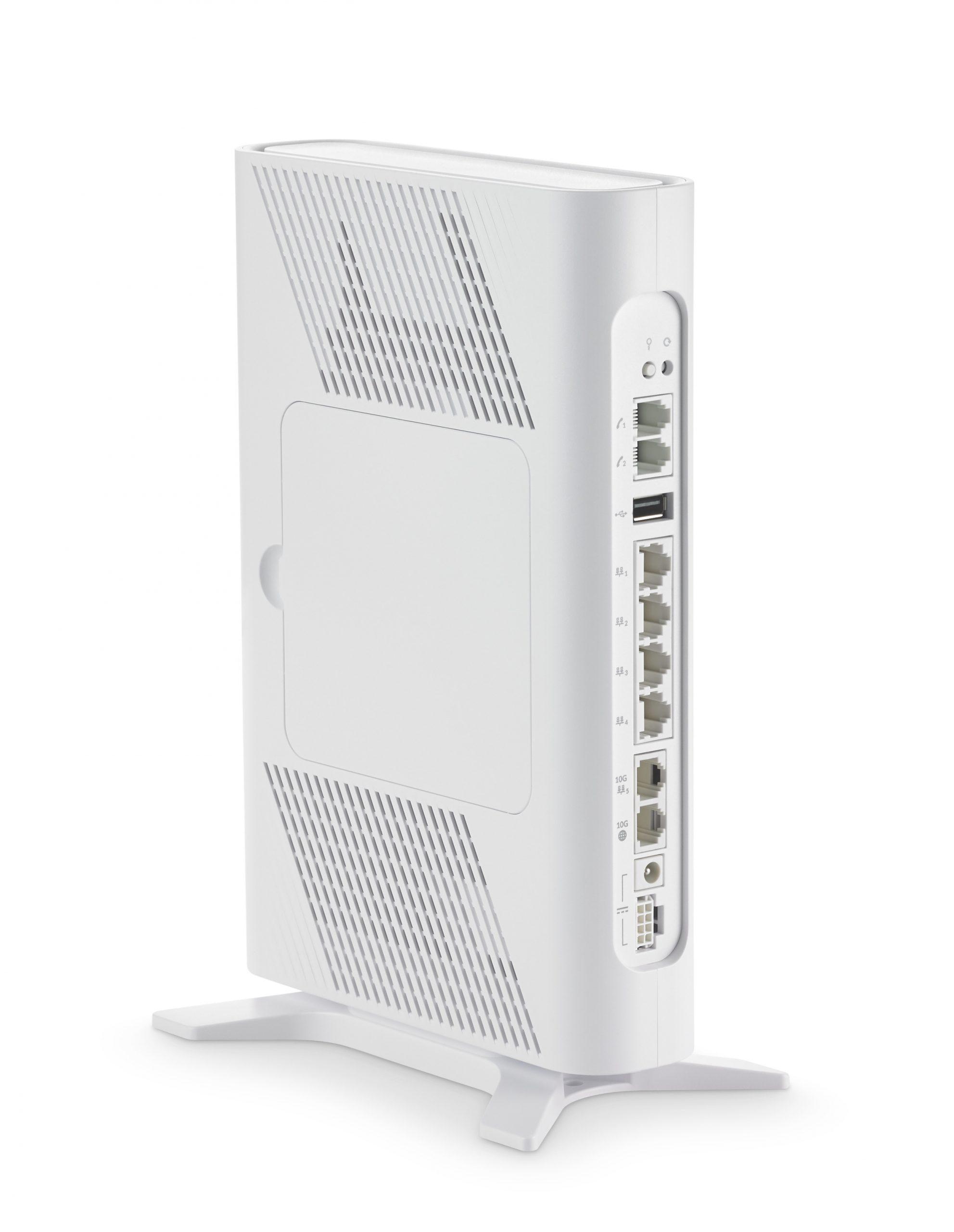
WHAT KIND OF EQUIPMENT DO I NEED TO USE MULTI-GIG SERVICE?
To take full advantage of Multi-Gig speeds, you’ll need:
A multi-gig capable router (2.5GbE, 5GbE, or 10GbE port)
-
- This ensures your network can handle speeds beyond 1Gbps. Standard routers often max out at 1Gbps, so a multi-gig router is essential to unlock the full potential of your multi-gig internet plan.
- Beehive can provide you with a router capable of multi-gig speeds via a wired connection. No matter what router you use, you will not experience multi-gig speeds when connected to Wi-Fi only.
High-performance Ethernet cabling throughout your home
-
- Most homes today are wired with Cat5 or Cat5e, but these have speed limitations. Here’s what you should know: ◦ Ethernet cables rated Cat5 are not designed to support speeds above 1G, however, in shorter distances of less than 100’, some multi-gig speeds might be obtained.
- Ethernet cables rated Cat5e can support speeds up to 5G over shorter distances but are not designed for 10G speeds.
- Ethernet cables rated Cat6a or higher are recommended for full Multi-Gig performance, especially if you’re aiming for 10Gbps. These cables are designed to support higher bandwidth and reduce signal interference, which is crucial for maintaining stable speeds across longer runs.
- Most homes today are wired with Cat5 or Cat5e, but these have speed limitations. Here’s what you should know: ◦ Ethernet cables rated Cat5 are not designed to support speeds above 1G, however, in shorter distances of less than 100’, some multi-gig speeds might be obtained.
- If your home network uses older cabling, you may not get the full speed you’re paying for—even with the right router and devices.
A multi-gig-capable device or adapter (USB 3.2 Gen 1 will support up to 2.5G and USB 3.1 Gen 2 will support up to 10G, Thunderbolt 3 or 4, or an integrated port)
- Even if your router and cables support multi-gig speeds, your device needs a complete network interface to receive those speeds. Many laptops and desktops require an external adapter to achieve this.
A device with modern hardware (ideally a computer purchased within the last few years), with a multicore, multi-threaded processor and a solid-state drive (SSD) is recommended for the best performance.
- Multi-gig speeds can only be fully utilized if your device can process data quickly. Older hardware may struggle to keep up, resulting in slower performance despite a fast connection.
We recommend consulting with our support team before upgrading to ensure your setup is ready.
Check
Address
Have a question or concern? Give us a buzz!
Contact UsCHECK
ADDRESS
Areas we serve.
Utah
Bear River, Bothwell, Brigham City, Bullfrog, Caineville, Callao, Cedar Highlands, Centerville, Clearfield, Elwood, Enterprise, Erda, Eskdale, Gandy, Garrison, Gold Hill, Grantsville, Grouse Creek, Howell, Ibapah, Kelton, Kolob, Lake Point, Layton, Lehi, Lindon, Lofgreen, Lucin, Lynn, Marble Hill, Mantua, Midvale, Morgan, Mountain Green, Murray, Notom, Orem, Park City, Park Valley, Partoun, Payson, Perry, Petersen, Penrose, Pleasant Grove, Porterville, Providence, Rush Valley, Sandy Ranch, Skull Valley, SLC(Avenues), Snake Valley, Snowville, Stansbury, Stockton, Terra, Thatcher, Ticaboo, Tooele, Tremonton, Trout Creek, Vernon, Wendover, West Haven, West Point, West Valley City, Woodland Hills
Nevada
Burbank, Deeth, Elko, Goshute, Independence, Marys River, Montello, Moor, Oasis, Pilot Valley, Pleasant Valley, Wells, West Wendover